Autumn Hydrangeas: The Ultimate Guide To Growing And Enjoying These Stunning Flowers
Autumn Hydrangeas: The Ultimate Guide to Growing and Enjoying These Stunning Flowers
Hydrangeas are some of the most popular flowering shrubs in the world, and for good reason. They come in a wide variety of colors, sizes, and shapes, and they can be grown in a variety of climates. Autumn hydrangeas are a particularly beautiful type of hydrangea, and they deserve a special place in your garden.
In this blog post, we will discuss everything you need to know about growing and enjoying autumn hydrangeas. We will cover topics such as:
- The different types of autumn hydrangeas
- When and where to plant autumn hydrangeas
- How to care for autumn hydrangeas
- How to deadhead autumn hydrangeas
- How to propagate autumn hydrangeas
We will also provide some tips on how to get the most out of your autumn hydrangeas. By following these tips, you can enjoy these stunning flowers for years to come.
Types of Autumn Hydrangeas
There are two main types of autumn hydrangeas: panicle hydrangeas and mountain hydrangeas.
- Panicle hydrangeas are the most common type of autumn hydrangea. They are large, upright shrubs that can grow up to 6 feet tall. Panicle hydrangeas have large, cone-shaped flowers that bloom in late summer and early autumn. The colors of panicle hydrangea flowers can vary depending on the variety, but they typically range from white to pink to blue.
- Mountain hydrangeas are smaller and more compact than panicle hydrangeas. They typically grow 3-4 feet tall and have smaller, more delicate flowers. Mountain hydrangea flowers can be white, pink, or blue, and they bloom in late summer and early autumn.
When and Where to Plant Autumn Hydrangeas
The best time to plant autumn hydrangeas is in the spring or fall. They prefer a location that receives partial shade, but they can also tolerate full sun as long as they are kept well-watered. Autumn hydrangeas do best in moist, well-drained soil that is rich in organic matter.
How to Care for Autumn Hydrangeas
Autumn hydrangeas are relatively easy to care for. They need regular watering, especially during the summer months. They also benefit from being fertilized once a year in the spring. In addition, you should deadhead your autumn hydrangeas after they have finished blooming to encourage new growth.
How to Deadhead Autumn Hydrangeas
Deadheading is the process of removing spent flowers from your hydrangeas. This will help to encourage new growth and keep your hydrangeas looking their best. To deadhead your autumn hydrangeas, simply pinch off the spent flowers at the base of the stem.
How to Propagate Autumn Hydrangeas
Autumn hydrangeas can be propagated by taking cuttings. To do this, simply cut a 4-6 inch stem from a healthy plant in the spring or fall. Remove the lower leaves from the stem and dip it in rooting hormone. Then, plant the stem in a pot of moist potting mix. Keep the pot in a warm, shady location and the cutting should root in a few weeks.
Tips for Enjoying Autumn Hydrangeas
Here are a few tips for getting the most out of your autumn hydrangeas:
- Choose a variety that is suited to your climate.
- Plant your hydrangeas in a location that receives partial shade.
- Water your hydrangeas regularly, especially during the summer months.
- Fertilize your hydrangeas once a year in the spring.
- Deadhead your hydrangeas after they have finished blooming.
- Propagate your hydrangeas to create new plants.
With a little care and attention, your autumn hydrangeas will thrive and provide you with years of enjoyment.
Autumn hydrangeas are a beautiful addition to any garden, and they can add a touch of color to your landscape even in the cooler months. If you're interested in learning more about these fascinating plants, I suggest you visit .
This website has a wealth of information about autumn hydrangeas, including their history, different varieties, and how to care for them. You can also find photos and videos of these beautiful plants, so you can get a better idea of what they look like.
I highly recommend visiting if you're interested in learning more about autumn hydrangeas. This website is a great resource for gardeners of all levels, and it's sure to help you find the information you need to grow these beautiful plants in your own garden.
FAQ of autumn hydrangea
Question 1: What is an autumn hydrangea?
Answer: An autumn hydrangea is a type of hydrangea that blooms in the fall. It is known for its colorful flower heads, which can range in color from green, burgundy, and rust to deep dusty blues and purples. Autumn hydrangeas are a popular choice for landscaping, as they can add a touch of beauty to the garden even after other flowers have faded.
Question 2: How do I care for an autumn hydrangea?
Answer: Autumn hydrangeas are relatively easy to care for. They prefer full sun to partial shade and moist, well-drained soil. They should be watered regularly, especially during the summer months. In the fall, you can deadhead the spent flowers to encourage new growth.
Question 3: What are the different types of autumn hydrangea?
Answer: There are several different types of autumn hydrangea, including:
- Macrophylla hydrangeas: These hydrangeas are native to Japan and Korea. They have large, round flower heads that can reach up to 12 inches in diameter.
- Serrata hydrangeas: These hydrangeas are native to China and Japan. They have smaller, more delicate flower heads than macrophylla hydrangeas.
- Pendula hydrangeas: These hydrangeas have cascading flower heads that can reach up to 6 feet in length.
Question 4: How do I change the color of my autumn hydrangea?
Answer: The color of an autumn hydrangea's flower heads is determined by the pH of the soil. In acidic soil, the flowers will be blue or purple. In alkaline soil, the flowers will be pink or red. You can change the color of your autumn hydrangea's flowers by adjusting the pH of the soil.
Question 5: How can I dry autumn hydrangea flowers?
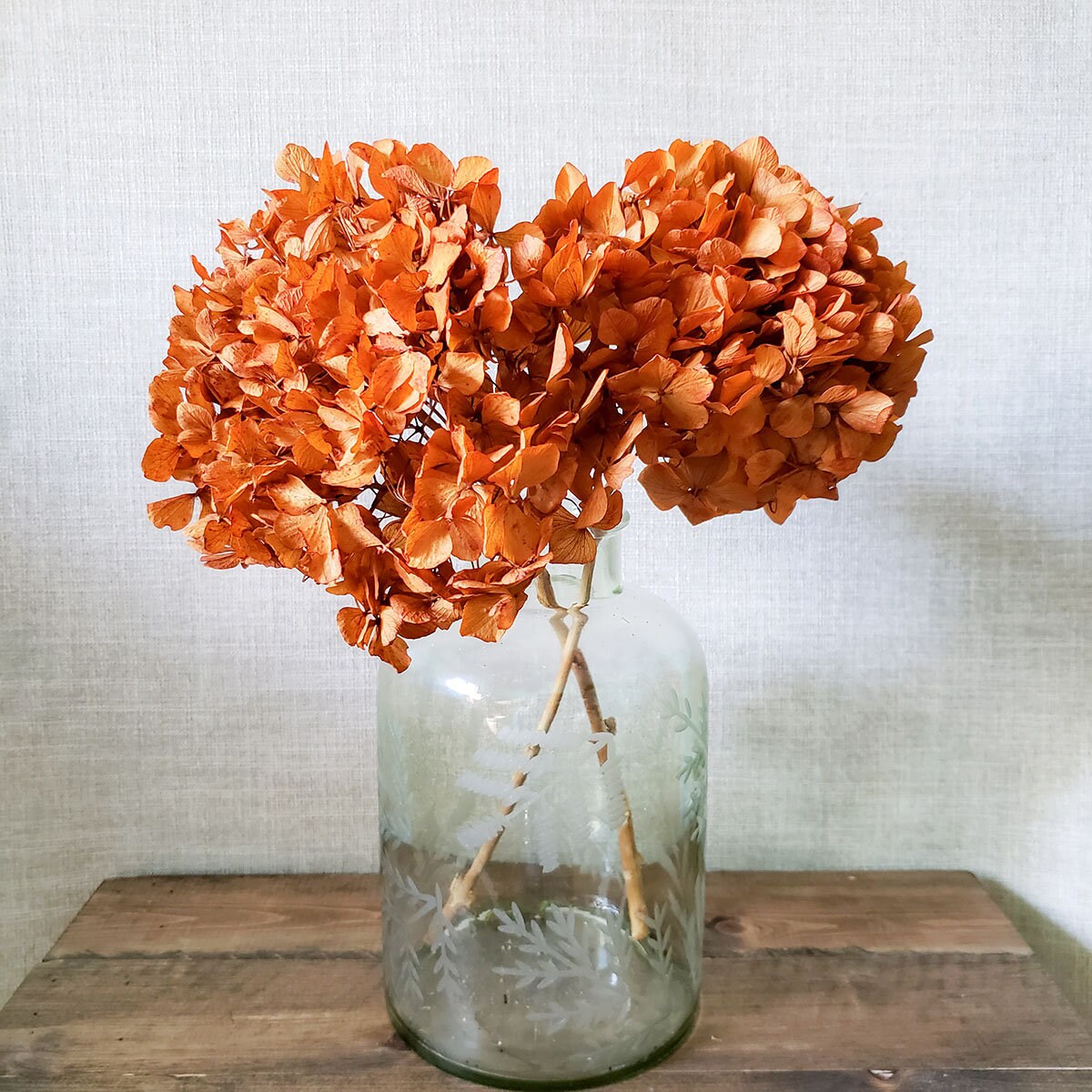
Answer: Autumn hydrangea flowers can be dried for use in arrangements. To dry them, simply cut the flower heads from the plant and hang them upside down in a dark, cool place. The flowers will be dry in about 2 weeks.
Image of autumn hydrangea
- Image 1: A large, lush hydrangea bush with clusters of deep pink and purple flowers.

- Image 2: A close-up of a single hydrangea flower, showing the delicate petals and the intricate stamen.

- Image 3: A row of hydrangea bushes in various shades of pink, purple, and blue.
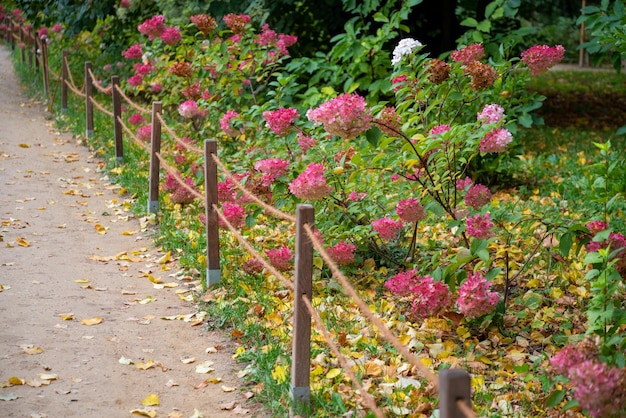
- Image 4: A hydrangea bush in full bloom, with the flowers cascading over the edge of a fence.
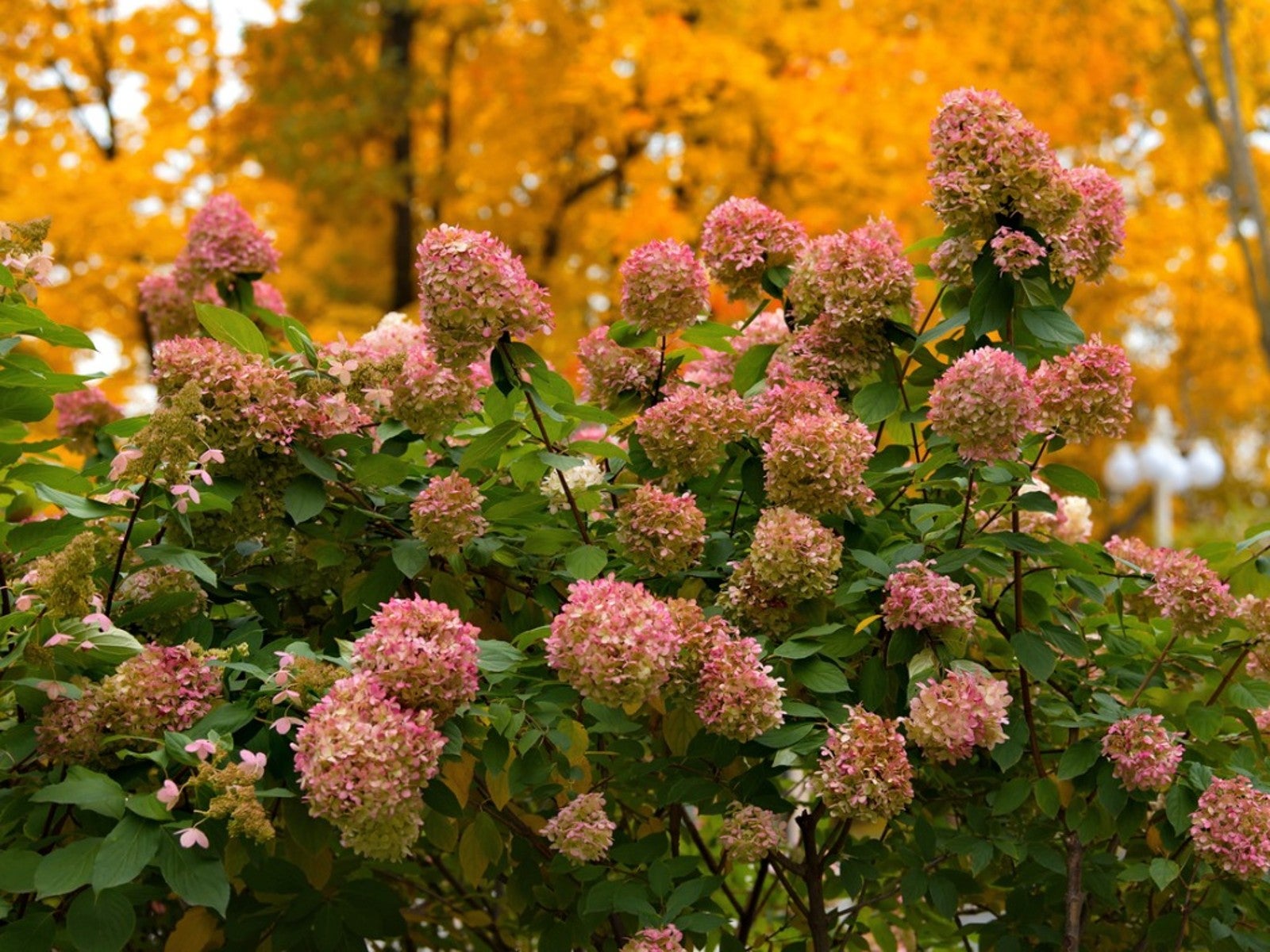
- Image 5: A dried hydrangea arrangement, with the flowers still retaining their vibrant colors.

Post a Comment for "Autumn Hydrangeas: The Ultimate Guide To Growing And Enjoying These Stunning Flowers"